
Generator Surges
Introduction
Generator surging while running is one of the most frustrating problems for operators because it creates unstable voltage, noisy operation, and a real risk of equipment damage. When the engine hunts up and down in RPM, every connected load feels the impact. In most cases, the root cause lies in a few predictable areas: fuel quality and delivery, air intake restrictions, governor issues, or improper loading of the generator. This guide explains each major cause, shows you how to diagnose the fault step by step, and lists practical maintenance actions to restore smooth, steady output.
Generator Surges—Quick Causes & Solutions
| Cause | Description | Solution |
|---|---|---|
| Incorrect/Old Fuel | Poor combustion, rough running | Use correct, fresh fuel |
| Load Drops/Spikes | Sudden changes, overspeed/underspeed | Stagger appliance power-up/down |
| Faulty Voltage Reg. | Fails to control voltage output | Replace or service regulator |
| Loose/Worn Parts | Unstable engine speed, bad governor | Inspect, tighten, replace parts |
| Poor Maintenance | Degraded components cause spikes | Follow regular service intervals |
Causes of Generator Surges
Generator surges, characterized by a sudden increase in voltage, can arise from a variety of factors, often stemming from issues within the generator itself or the electrical load it is supporting. Understanding these root causes is the first step towards effective prevention.
1. Fuel-Related Problems
One of the most common culprits behind generator surging is issues related to fuel. This can manifest in several ways:
•Incorrect Fuel: Using the wrong type of fuel for a generator can lead to inefficient combustion and erratic engine performance, directly impacting voltage output [1].
•Low Fuel Levels: When fuel levels are critically low, the generator’s engine may struggle to maintain a consistent speed, causing fluctuations in power generation and leading to surges [2].
•Poor Fuel Quality: Contaminated or stale fuel can clog fuel lines and carburetors, disrupting the smooth flow of fuel to the engine. This can result in inconsistent power delivery and voltage spikes [1].
2. Load Changes
Sudden and significant changes in the electrical load connected to the generator can also induce surges. Generators are designed to operate optimally within a specific load range. When the load suddenly drops (e.g., a large appliance is turned off), the generator’s engine may momentarily overspeed, leading to a voltage spike. Conversely, a sudden increase in load can cause the generator to struggle, and as it attempts to compensate, it might produce a surge [3].
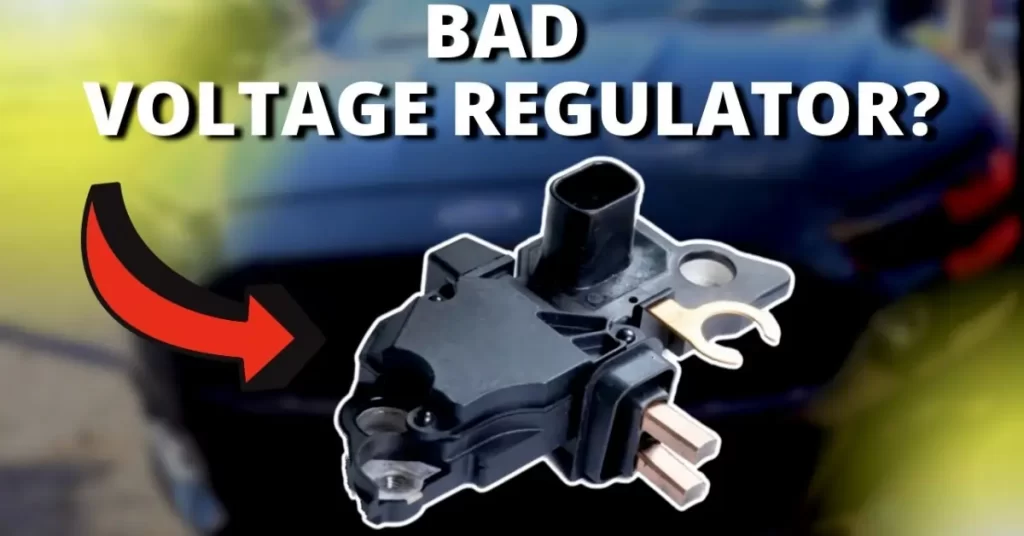
3. Faulty Voltage Regulators
The voltage regulator is a critical component responsible for maintaining a stable output voltage from the generator. A malfunctioning or faulty voltage regulator is a primary cause of power surges. If the regulator fails to properly sense and adjust the voltage, it can allow the output to climb to dangerous levels. Symptoms of a bad voltage regulator include unstable engine speed, flickering lights, and, of course, power surges [4, 5]. Overvoltage can also stem from exciter winding issues in generators [6].
4. Mechanical Issues
Beyond fuel and electrical components, various mechanical problems can contribute to generator surges. Worn-out parts, loose connections, or issues with the engine’s governor (which controls engine speed) can all lead to inconsistent power generation and voltage fluctuations.
5. Age and Wear
Like any machinery, generators experience wear and tear over time. Older generators or those that have not been regularly maintained are more prone to developing issues that can lead to power surges. Components can degrade, connections can loosen, and the overall efficiency of the generator can diminish, increasing the likelihood of voltage instability [5].
References: [1] LISUN. (2021, September 4). Can a generator cause a power surge? https://www.lisungroup.com/news/technology-news/can-a-generator-cause-a-power-surge.html
[2] GoEMC. (2021, March 25). Why is My Generator Causing Power Surges? https://goemc.com/2021/03/25/why-is-my-generator-causing-power-surges/
[3] YouTube. (2023, October 30). The Truth About Generator Surging and How to Stop It. https://www.youtube.com/watch?v=7NthPQzsWbI
[4] Viral Rang. (2025, February 3). Solutions For Generator Voltage Regulator Problems. https://viralrang.com/generator-voltage-regulator-problems/
[5] GenPowerUSA. How to Know if Your Voltage Regulator is Bad [Infographic]. https://www.genpowerusa.com/blog/how-to-know-if-your-voltage-regulator-is-bad-infographic/
[6] JustAnswer. (2013, June 1). Common Causes and Solutions for Generator Over Voltage Issues. https://www.justanswer.com/electrical/7sjlk-possible-cause-generator-voltage-assuming.html
Effects of Generator Surges
The consequences of generator surges can range from minor inconveniences to severe damage, impacting both the generator itself and any connected electrical equipment. Understanding these potential effects underscores the importance of surge prevention.
1. Damage to Electronic Devices
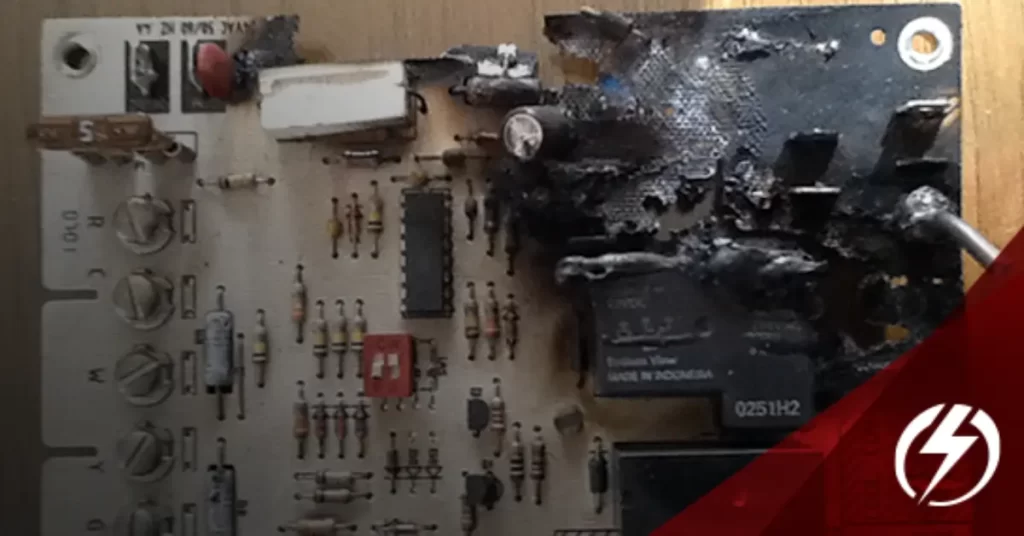
Modern electronic devices are particularly vulnerable to power surges. The delicate circuitry within computers, televisions, refrigerators, and other appliances can be instantly fried by an unexpected spike in voltage. This damage can be immediate and catastrophic, rendering devices inoperable, or it can be cumulative, leading to premature failure over time [7, 8].
2. Reduced Lifespan of Appliances
Even if a surge doesn’t immediately destroy an appliance, it can significantly reduce its lifespan. Repeated exposure to voltage fluctuations stresses components, leading to accelerated wear and tear. This means that while your devices might continue to function, they are more likely to break down sooner than expected, leading to increased replacement costs.
3. Overheating and Fire Hazards
In severe cases, power surges can cause electrical wiring and components to overheat. This overheating can melt insulation, damage internal wiring, and in extreme scenarios, even ignite fires. This poses a significant safety risk, especially in residential or commercial settings where generators are used to power essential systems.
4. Generator Damage
While generators cause surges, they can also be damaged by them, particularly if the surge is a result of an internal malfunction. Components like the voltage regulator, alternator, and even the engine itself can suffer damage from sustained or repeated overvoltage conditions. This can lead to costly repairs and extended downtime for the generator.
5. Data Loss
For businesses or individuals relying on generators to power sensitive data systems, a power surge can result in significant data loss. Unsaved work on computers, corrupted files, and damaged storage devices are all potential outcomes, leading to productivity losses and financial repercussions.
References: [7] Alpine Intel. Surge and Lightning Damage to Electronics. https://alpineintel.com/surge-and-lightning-damage-to-electronics/
[8] Right Touch Electrical. Power Surge vs. Power Outage: Causes, Effects, Prevention. https://www.righttouchelectrical.com/electrical-services/lightning-strike-evaluation-houston-tx/power-surge-vs-power-outage/
Checklist: Preventing Generator Surges
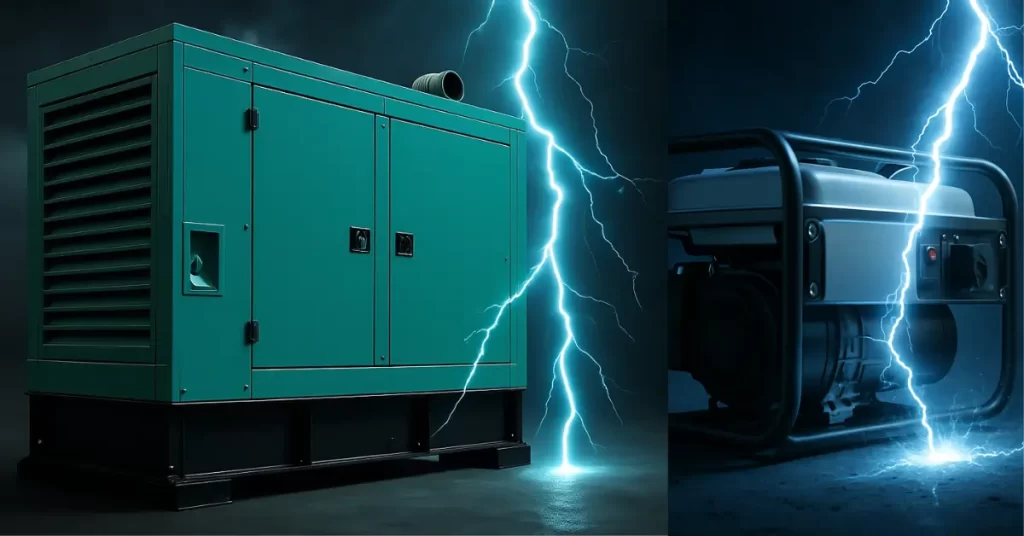
Prevention and Solutions for Generator Surges
Preventing generator surges is paramount to protecting your valuable equipment and ensuring a reliable power supply. A multi-faceted approach, combining proper maintenance, smart usage, and protective devices, is the most effective strategy.
1. Regular Maintenance
Consistent and thorough maintenance is the cornerstone of surge prevention. This includes:
•Fuel System Checks: Regularly inspect fuel lines, filters, and the carburetor for any blockages or signs of contamination. Use fresh, high-quality fuel and ensure proper storage to prevent degradation.
•Voltage Regulator Inspection: Have the voltage regulator checked periodically by a qualified technician. Early detection of a failing regulator can prevent significant damage.
•General Servicing: Adhere to the manufacturer’s recommended service schedule, which typically includes oil changes, spark plug replacements, and general component inspections. A well-maintained generator is less likely to experience erratic behavior.
2. Load Management
Managing the electrical load connected to your generator can significantly reduce the risk of surges:
•Staggered Appliance Startup: Avoid plugging in and starting all your appliances simultaneously. Instead, introduce loads gradually to allow the generator to adjust.
•Match Generator Size to Load: Ensure your generator’s capacity is appropriate for the total electrical load you intend to power. An undersized generator will be constantly stressed, increasing the likelihood of surges.
•Avoid Overloading: Never exceed the generator’s rated wattage. Overloading is a direct path to voltage instability and potential damage.
3. Surge Protection Devices
Investing in surge protection is a crucial line of defense for your sensitive electronics:
•Whole-House Surge Protectors: These devices are installed at your main electrical panel and protect all circuits in your home from external surges, including those originating from a generator.
•Point-of-Use Surge Protectors: For individual sensitive electronics, use high-quality surge protector power strips. These offer localized protection and are essential for computers, entertainment systems, and other delicate equipment.
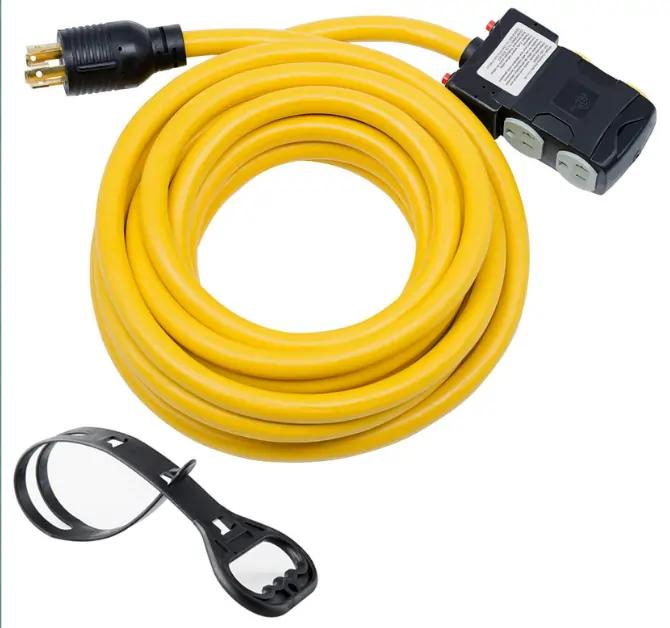
•Generator-Specific Surge Protectors: Some generators come with built-in surge protection, or you can purchase external surge protectors designed specifically for generator use. These are particularly useful for RVs or temporary power setups [9].
4. Proper Grounding
Ensuring your generator is properly grounded is a critical safety measure that also helps in mitigating surges. Grounding provides a safe path for excess electricity to dissipate, preventing it from damaging appliances or posing a shock hazard.
5. Professional Installation and Consultation
For complex generator setups or if you are unsure about proper installation and maintenance, consult with a qualified electrician or generator technician. Their expertise can ensure your system is correctly installed, safely operated, and adequately protected against surges.
References: [9] Amazon.com. Yodotek 25Ft Generator Cord with Surge Protector. https://www.amazon.com/Yodotek-Generator-Protector-L14-30P-5-15-20P/dp/B0B7Q1J2K9
Visualizing the Impact and Prevention
To further illustrate the concepts discussed, here are some images related to generator surges, faulty voltage regulators, and damaged electronics, along with a visual of a generator cord with surge protection.
Faulty Voltage Regulators
Damaged Electronics from Surges
Generator Cord with Surge Protection
Conclusion
Generator surges, from sudden spikes to heavy surges, are a serious concern for anyone relying on these vital power sources. They can lead to irreparable damage to sensitive electronics, shorten the lifespan of appliances, and even pose fire hazards. However, with a thorough understanding of their causes—ranging from fuel issues and load changes to faulty voltage regulators and general wear and tear—and by implementing proactive prevention strategies, these risks can be significantly mitigated.
Regular maintenance, diligent load management, and the strategic use of surge protection devices are not just recommendations but essential practices for safeguarding your investments and ensuring uninterrupted, safe power. By taking these steps, you can transform your generator from a potential source of electrical instability into a reliable and secure power solution, providing peace of mind during outages and in off-grid applications. Protect your power, protect your assets, and ensure the longevity of your generator for years to come
