Prologue: Generator Failure Root Cause Analysis – The Inevitable Consequence of Compromise
This is a true story where a single oversight in Generator Failure Root Cause Analysis led to a devastating and expensive domino effect. What began as one catastrophic failure in an 8-cylinder diesel generator resulted in two more complete breakdowns over the following weeks. Each failure stemmed from the previous one—a cascade triggered by an unresolved initial cause and invisible secondary damage. For maintenance managers and marine engineers, this case study is a masterclass in why a surface-level fix is never enough and how to trace the true source of complex mechanical failures.
Failure Timeline Table: Major Events & Lessons
| Event/Phase | Issue/Failure | Root Cause | Key Lesson |
|---|---|---|---|
| Initial Overhaul | Piecemeal, under pressure | Rushed, incomplete work | Never rush or skip critical steps |
| Catastrophic 1 | Crankcase damage, seized piston | Missed governor drive failure | Diagnose thoroughly before repairs |
| Catastrophic 2 | Bearing wipe, metal in oil | Incomplete cleaning post-failure | Flush systems after major event |
| Catastrophic 3 | Repeat bearing failure | Hidden bedplate distortion | Check foundations after major fail |
| Final Failure | Recurrent bearing wipe | Alternator rotor electrical issue | Think systems, not just components |
Chapter 1: The High-Stakes Environment
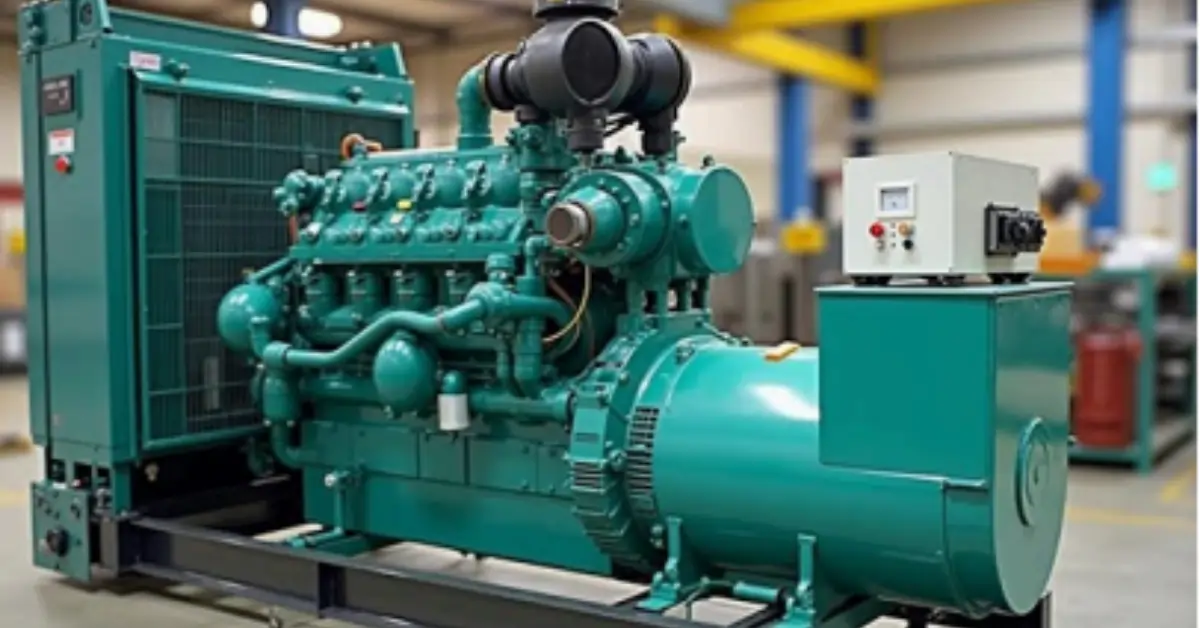
The call came from the factory head of a telecommunications cable manufacturing plant. Their operation was critically dependent on a single diesel generator set, a lone sentinel against the region’s pervasive power cuts. The mandate was clear: a complete overhaul of the 8-cylinder inline engine.
The primary constraint was severe and non-negotiable: each day’s work had to be concluded and the engine reassembled by evening to provide backup power during the predictable utility failures. This transformed a methodical engineering process into a daily exercise in frantic haste. The environment was fraught with pressure, making meticulous, careful work nearly impossible.
Chapter 2: The Flawed Process and the Incomplete Overhaul
Over a grueling 20-day period, the overhaul proceeded in a fragmented manner. The daily requirement to “box back” the engine meant that deep, comprehensive work on individual cylinders was consistently deferred. Crucially, this piecemeal approach forced us to neglect several other vital components. Critical systems such as the governor, turbocharger, and fuel injection pump were entirely excluded from the overhaul scope due to the relentless time pressure. In hindsight, we were reassembling a time bomb.

Chapter 3: The Catastrophic Failure
Following the reassembly, the generator set was initiated for its mandatory 48-hour continuous test run under partial load. The illusion of success was short-lived.
On the first night, a frantic knocking on my hotel room door announced the plant’s shift manager, his words a panicked mantra: “Sir, engine broken down! Engine broken down!”
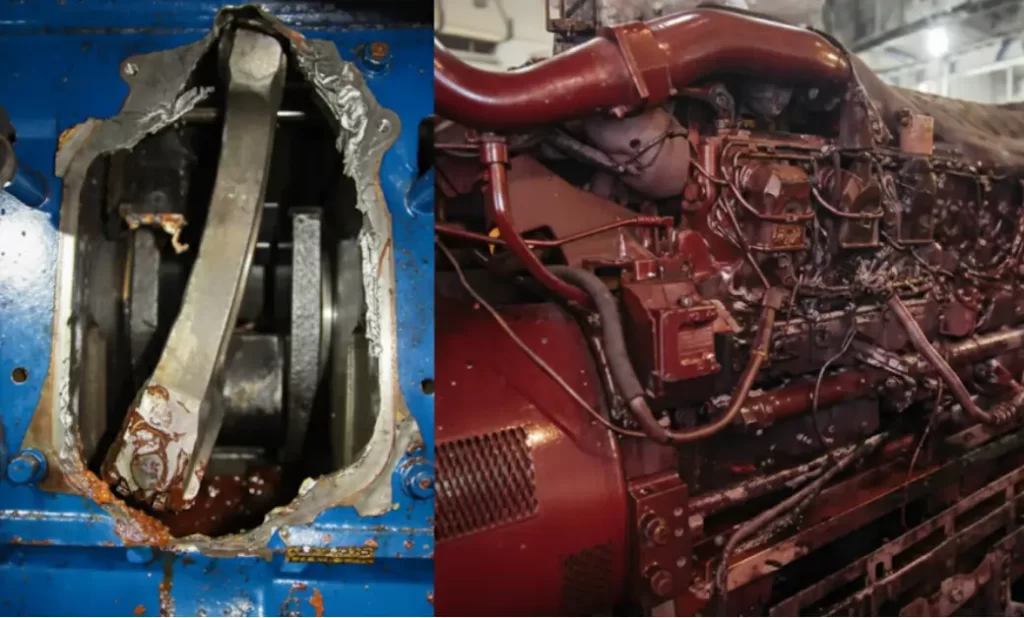
We rushed to the remote industrial site. The scene that greeted us was one of pure mechanical carnage: the connecting rod from cylinder number eight had violently protruded through the crankcase, and the piston was seized firmly at Top Dead Centre (TDC). It was a total mechanical failure.
Chapter 4: The Superficial Repair and The Lingering Threat
A damage assessment was swiftly conducted. The shattered crankcase was repaired on-site by specialist engineers from L&T using advanced cold welding techniques. Replacement parts were expedited from a sister concern over 120 kilometers away. The initial, and seemingly logical, conclusion was that an cooling system issue had caused catastrophic overheating, leading to the seizure and subsequent conrod failure.
The engine was reassembled with new parts, the sump was meticulously cleaned, and the test run resumed. As I began drafting my final report, attributing the failure to overheating, fate intervened a second time.
Chapter 5: The Root Cause Revealed
At approximately 1:00 PM, a sudden, terrifying roar of massive over-speeding erupted from the engine. I sprinted to the unit and executed an emergency shutdown.
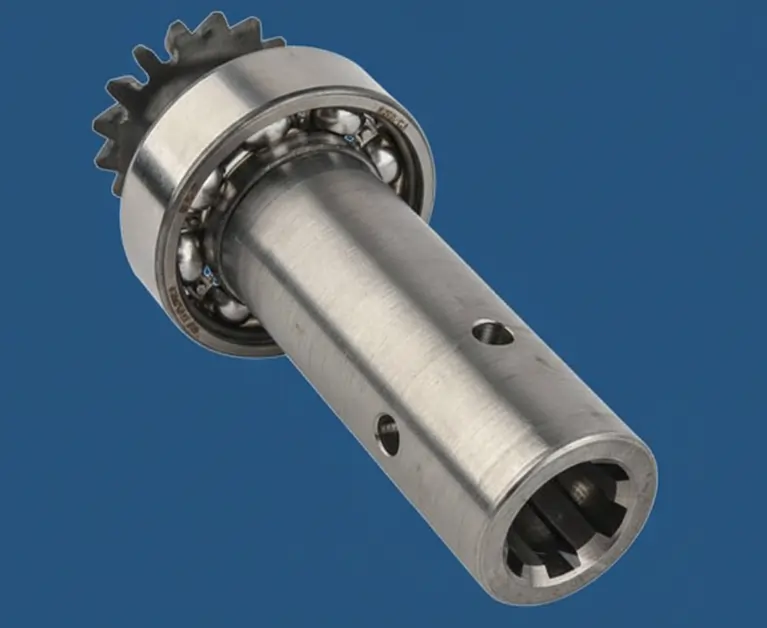
This time, a methodical and precise investigation began. The evidence was undeniable: the splines on the governor drive shaft were severely worn-out. This damage had created a critical feedback error—the governor was receiving incorrect speed data. In a catastrophic miscommunication, it responded by commanding the fuel rack to deliver maximum fuel, causing the engine to run away violently under load.
The epiphany was chilling. The initial catastrophic failure was not merely due to overheating. The root cause was this failed governor drive shaft, which had likely caused inconsistent speed control and placed immense, uneven stress on the engine, culminating in the mechanical failure of the weakest component—the number eight connecting rod. Our first repair had only addressed the symptom, not the disease.
Epilogue: The Lessons Etched in Metal
A new governor drive shaft was procured and installed. Finally, the diesel generator set achieved stable and reliable operation.
This experience was a profound professional crucible. It taught me that:
•Never compromise fundamental procedures under pressure; the cost of failure is always higher.
•A failure is rarely a single-point event but a chain of errors and overlooked details.
•True engineering lies in pursuing the root cause, not just addressing the most obvious symptom.
•Systems must be viewed holistically; a failure in an auxiliary component (the governor) can destroy a primary system (the engine).
The broken crankcase was a visible, dramatic failure, but the real lesson was hidden in the worn splines of a small shaft. It was a humbling experience that shattered my confidence only to rebuild it on a much stronger foundation of meticulousness and rigorous analysis.
Part 2: A New Father’s Nightmare: The Phantom in the Lubrication System
My return home was supposed to mark the end of a grueling chapter. The diesel generator was operational, the client was satisfied, and I was exhausted. I finally had the chance to retreat to my family in Haryana, a welcome respite after the prolonged, high-pressure site visit. This personal joy was magnified on December 13th with the birth of my daughter—a moment of pure bliss that temporarily erased all memories of mechanical failure.
Yet, my professional respite was shockingly brief. On the very second day of my daughter’s life, as I was immersed in this new chapter of fatherhood, my business partner arrived at my home. His presence, so far from our Delhi office, signaled an emergency. The news he delivered on the road back was a devastating blow: the engine had failed again.
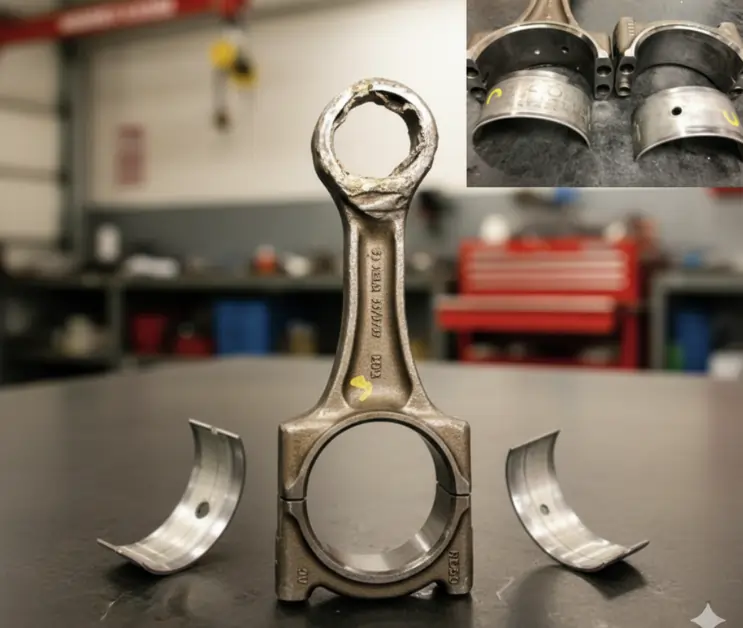
Initial reports from the panicked site operators were cryptic but chilling: falling lube oil pressure and the discovery of metallic glitter—white metal particles— in the filters. My heart sank. This was the signature of a bearing catastrophe.
Without hesitation, I boarded a train that very evening, December 14th, my personal celebrations cut short by the relentless demands of a machine in crisis.

The Investigation: Unearthing a Systemic Collapse
Arriving at the plant, the evidence was unequivocal. The lube oil filters were choked with a heavy concentration of white metal debris, confirming the total wipeout of the engine’s Babbitt bearings.
The investigation began methodically:
•Teardown & Inspection: We removed alternate main and connecting rod bearings. The sight was uniform and grim: the soft, silvery white metal coating had been entirely scoured away from the steel backing shells.
•Root Cause Analysis: The crankshaft journals, thankfully, were undamaged and required only polishing. The crankshaft deflection was checked and found to be within normal limits, ruling out a misalignment issue.
•The Conclusion: The evidence pointed to a lube oil failure. The abrasive contamination in the oil—likely lingering metallic debris from the initial catastrophic failure—had acted like lapping compound, systematically grinding the bearings away.
The Resolution: A Meticulous Rebuild
Under the customer’s anxious watch, we procured a complete set of new bearings. The subsequent rebuild was a lesson in meticulousness:
•Every oil gallery was flushed.
•The oil sump was scrubbed clean.
•The crankshaft was polished to a perfect finish.
•New main and connecting rod bearings were carefully installed.
This painstaking process took eight days. Finally, with new oil and filters, the engine was started. The parameters held steady: oil pressure was strong, temperatures were normal, and the engine ran with a smooth, healthy rhythm. The generator set was officially handed back over to a relieved customer.

The Deeper Lesson: The Invisible Aftermath
While we had conclusively addressed the bearing failure, this second episode taught me an even more profound lesson: a major failure never truly ends when the broken parts are replaced.
The root cause of this second breakdown was not a new fault; it was the invisible, lingering aftermath of the first. We had repaired the crankcase and replaced the governor, but we had underestimated the pervasive contamination that the initial conrod failure had sent throughout the entire lubrication system.
This experience forged in me an uncompromising principle: any major catastrophic failure mandates a complete flushing and cleaning of the entire lubrication system. It is a non-negotiable step to prevent the ghost of the first failure from returning to haunt the repair.
The memory of leaving my newborn daughter to chase metallic glitter in an oil filter is indelible. It was a harsh lesson that the most dangerous flaws are often the ones you cannot immediately see.
Part 3: The Final Nemesis: A Hidden Fracture in the Foundation
I returned to Delhi not just with relief, but with a sense of hard-earned pride. We had diagnosed the elusive governor failure, survived a second bearing catastrophe, and implemented a flawless repair. The engine was, by all measured parameters, perfect. For a brief, six-day period, that reality held.
Then, the call came. The report was a devastating echo of the past: falling oil pressure, metallic contamination. The same bearing failure had occurred. This was no longer a technical challenge; it was a profound professional setback that threatened my credibility and our company’s reputation. The problem was a phantom, lurking in the machine, repeatedly defeating our best efforts.
Arriving at the site with a heavy heart, the investigation began anew. The failure was identical, suggesting our previous solution—though meticulous—had only addressed a symptom of a much deeper, hidden ailment.
The Expert Council: Uniting to Solve the Puzzle
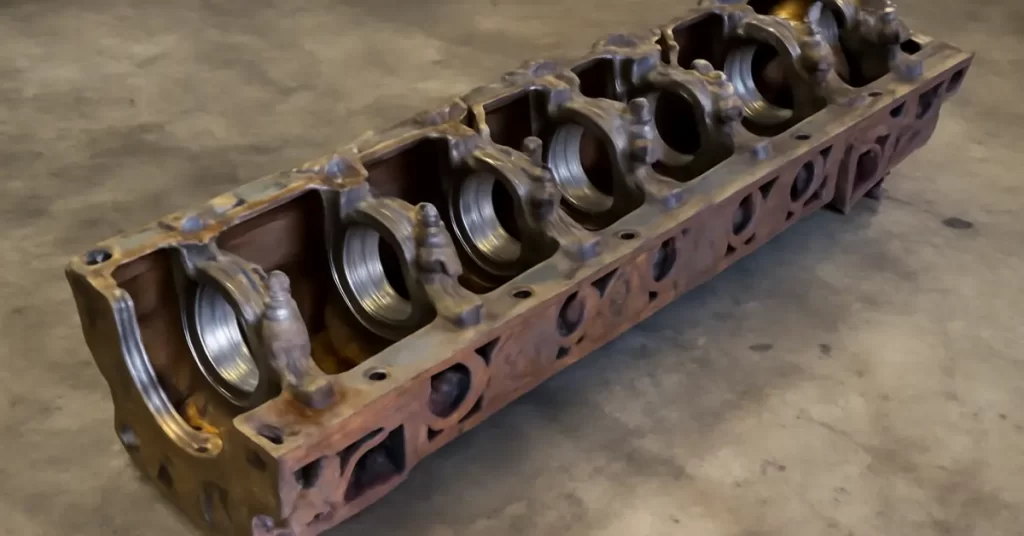
Faced with this relentless recurrence, we convened a council of war. Our most senior experts descended upon the site. The collective wisdom, after intense scrutiny, landed on a critical hypothesis: The seismic shock from the initial catastrophic conrod failure had likely distorted the engine’s very foundation—the bedplate.
The theory was that the immense vibrations had warped the bedplate’s main bearing housing bores by a few critical microns. This minuscule distortion was enough to misalign the crankshaft ever so slightly, creating a transverse load that the bearings could not withstand. It was an invisible flaw, impossible to detect with standard tools but fatal under operation.
A drastic decision was made, in full partnership with the customer: The entire heart of the engine—the crankshaft and bedplate—would be sent to a specialist crankshaft and engine rebuilding workshop at ESDEE ELECTRO Mills in Calcutta for forensic analysis and precision machining.
The Forensic Repair: Precision at the Micron Level
At the specialist workshop, the components underwent a rigorous scientific process:
•Non-Destructive Testing (NDT): The crankshaft and bedplate were meticulously cleaned and subjected to magnetic particle inspection. Thankfully, no cracks were found, ruling out a material failure.
•Metrological Analysis: Precision instruments were used to measure the bedplate’s main bearing bores. The results confirmed our expert team’s suspicion: while within tolerable limits for a less critical application, minor ovality and taper were detected. For an engine that had already demonstrated extreme sensitivity, this was the smoking gun.
The Precision Remedy:
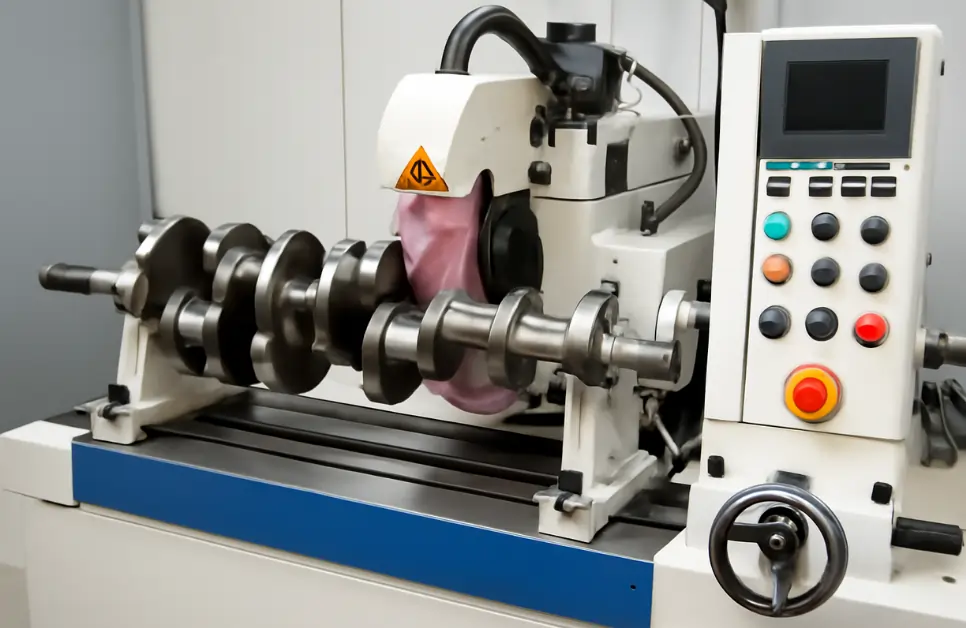
•The crankshaft’s main and crankpin journals were ground down to a certified “Repair Stage – 1” undersize to ensure perfect concentricity and surface finish.
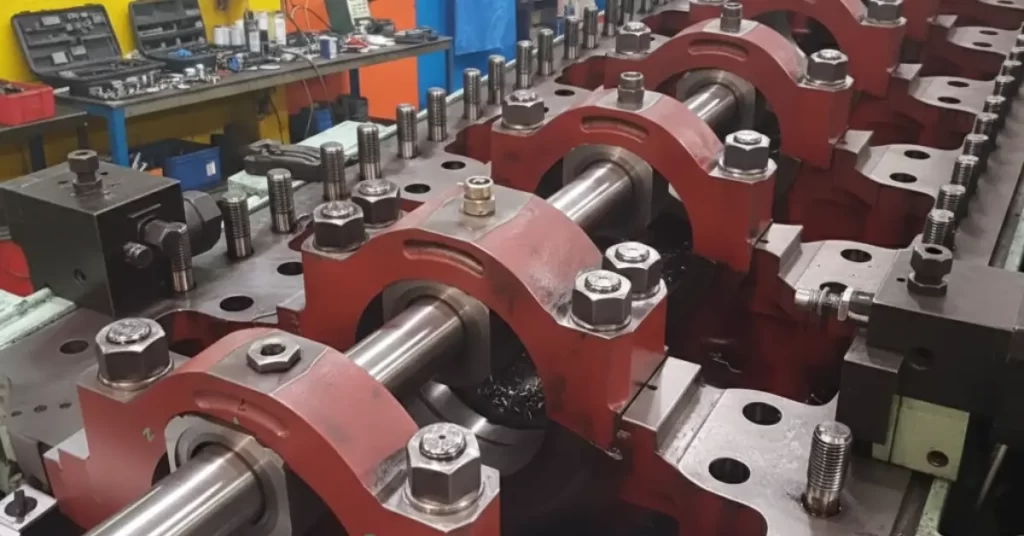
•The bedplate underwent a precision line boring operation. This critical process re-machined all the main bearing housings in a single, continuous cut to guarantee they were perfectly aligned and perfectly round, creating a pristine foundation for the newly ground crankshaft.
The Meticulous Rebirth: A Protocol-Driven Assembly
The return of the components to the factory marked the beginning of the most careful reassembly of my career. We followed the OEM protocol with religious fervor:
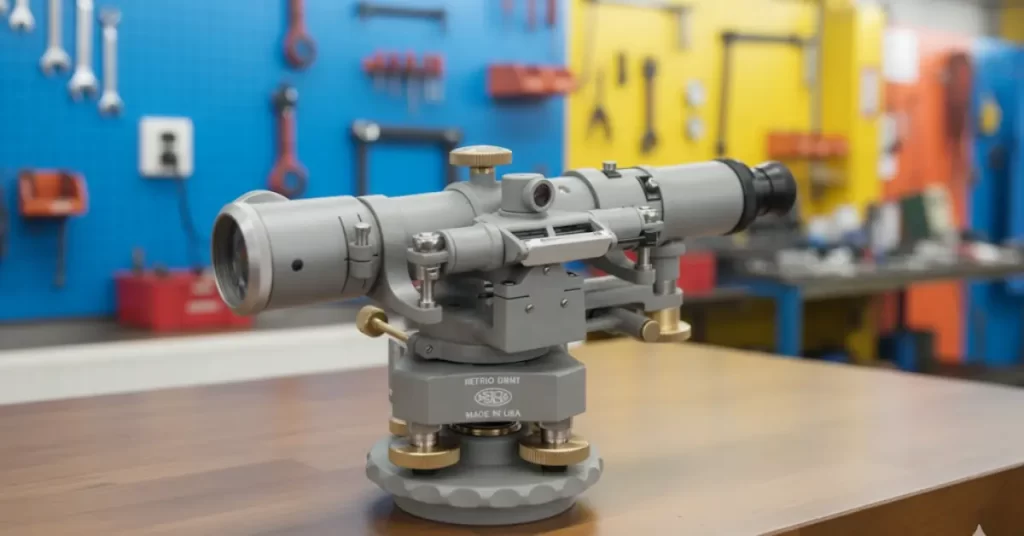
•Foundation and Leveling: The engine block was meticulously leveled on its foundation using precision optical levels. Shim packs were adjusted to ensure absolute perfect alignment, eliminating any soft foot or external strain.
•Component Installation: The newly line-bored bedplate was installed. The stage-ground crankshaft was lowered into place with care. New, undersized main bearings were installed, and crankshaft end-play was measured to exacting tolerances.
•Systematic Build-Up: The engine was reassembled component by component, with every torque value double-checked and every clearance verified against the manual.
The Triumphant Commissioning: A Victory Earned
Commissioning was no longer a simple trial; it was a methodical, nerve-wracking validation. The engine was started and subjected to a structured load test:
•0% Load (Idling): Monitored for oil pressure, unusual noises, and vibrations.
•25% – 50% – 75% Load: Gradually loaded, holding at each stage for hours to monitor temperatures and performance.
•100% Load: Finally, the generator was brought to full rated load. We watched the gauges like hawks, listening to the engine’s rhythm.
The engine sang a smooth, powerful song. All parameters held steadfastly in the green. The phantom had been exorcised.
We handed over the generator to the customer not with hope, but with data-backed confidence, assuring them the root cause had been found and eliminated. This third and final chapter was more than a repair; it was a masterclass in perseverance, systemic thinking, and the unwavering pursuit of a solution, no matter how deeply it was hidden. The memory of that final, successful handover remains one of the most validating moments of my professional life.
Part 4: The Invisible Enemy – A Trial by Fire
Part 4: The Invisible Enemy – A Trial by Fire The successful 15-day trial run had been a resounding victory. The data was perfect, the engine sang its powerful, rhythmic song, and confidence was restored. We had closed the book on a perplexing case of engineering mystery. Or so we thought.
The call that came two weeks later was a gut punch. The familiar specter had returned: glittering, metallic white debris in the lube oil filters. The bearing had failed again. The factory manager’s voice, once filled with relief, was now heavy with disillusionment. My two decades of expertise in Marine Diesel Engines, my entire professional credibility, evaporated in that moment. The trust we had painstakingly rebuilt was shattered.
The summons from management was not a meeting; it was a tribunal. Walking into the boardroom felt like facing a court-martial. The air was thick with tension. Seated around the large table were the stern faces of higher management, their expressions a mix of frustration and financial anxiety. The guns of their questions were loaded and aimed directly at me.
“Every hour of downtime costs us a fortune,” one stated coldly. “We followed your diagnosis to the letter. We replaced everything you asked for. Explain why we should not scrap this entire DG set and cut our losses.”
The weight of their expectation, their lost revenue, and my own bruised pride pressed down. I had no immediate answer. But I had conviction. “Throwing it out,” I argued, “would be to admit defeat to a problem we haven’t yet fully understood. It would be a permanent solution to a temporary, albeit complex, problem. I plead for one final chance. Let me perform a last, thorough investigation. No stone will be left unturned.”
Reluctantly, they agreed. The ultimatum was clear: find the root cause, or the project was over.
Back in the powerhouse, away from the pressurized boardroom, we laid out all the failed bearing shells on a workbench like pieces of a morbid puzzle. We had looked at them before, but this time we looked differently. We were no longer looking for what failed, but how it failed. The pattern that emerged was subtle yet profound. The scoring, the wiping, the erosion of the white metal—it wasn’t random. The failure was predominantly unidirectional, aligned transversely to the crankshaft’s rotation. This was not classic failure due to lubrication starvation or misalignment; it was too precise, too patterned.
A click went off in my mind. This directional erosion was a signature. I sent my team for the engine manufacturer’s technical manuals, specifically the section on “Atypical Bearing Failures.” Buried in the text was a short, often-overlooked paragraph describing “Electrical Pitting” or “Fluting.” The description was a perfect match: the phenomenon where stray electrical currents pass through a bearing, causing microscopic arcing that literally blasts molten metal out from the surface, electroplating it onto the journal in a pattern that mirrors the current’s path. The bearing wasn’t just wearing out; it was being eroded by lightning.
The diagnosis was now clear, but the source was a mystery. Our entire focus had been on the engine—the prime mover. But a diesel generator is a married system: engine and alternator. The problem, we now realized, was likely coming from its other half.
We immediately called an expert, a renowned Sardarji from Faridabad whose expertise in large alternators and electrical phenomena was legendary. He arrived with an array of instruments that looked more like medical diagnostic tools for a giant. He performed a series of tests, including megger tests for insulation resistance and, most crucially, a shaft voltage test using a high-frequency oscilloscope.
His findings were definitive. “The problem is not your engine,” he announced, pointing to the erratic waveform on the scope. “See this? This is not clean 50Hz. These are high-frequency eddy currents, parasitic currents circulating through your crankshaft. Your engine is a victim, not the culprit.”
He traced the fault to the alternator’s rotor. His theory was brilliant in its simplicity: during the initial overspeed incident, the tremendous centrifugal forces had not just damaged the engine; they had caused micro-fractures in the rotor poles and compromised the integrity of the insulation. This created an imbalance in the magnetic field, generating stray currents. Instead of finding a path to ground within the alternator, these currents were using the only available path: through the coupling, into the engine’s crankshaft, through the main bearings (offering the least resistance), and back to ground, turning our precision bearings into sacrificial electrodes.
The solution was absolute. The alternator was decoupled and shipped to his workshop in Faridabad. There, the rotor was stripped, the damaged poles were replaced, and the insulation was completely renewed to military-grade specifications.
Upon its return, the unit was reassembled with the precision of a watchmaker. Alignment was checked and re-checked with laser alignment tools. The engine was started with a nervous anticipation that only those who have faced repeated failure can know.
It ran. It ran smoothly. It was loaded—25%, 50%, 75%, 100%. It handled block loads. We ran it for hours, then days, then weeks. The lube oil filters remained pristine, showing no trace of metallic glitter. The invisible enemy had been vanquished.
The DG set performed flawlessly from that day forward, a testament to correct diagnosis, until the factory itself eventually closed its doors due to external labor unrest.
Conclusion: The Lesson for a Generation of Engineers This experience is more than a war story; it is a masterclass in systems engineering. The lesson is profound and must be passed on:
Think in Systems, Not in Silos: An engineer must never see components in isolation. The diesel engine and the alternator are not separate entities; they are a single, integrated electro-mechanical system. A fault in one can manifest as a symptom in the other. We were blinded by our own domain expertise, focusing on the mechanical and ignoring the electro-magnetic. The true engineer is a hybrid thinker.
The Root Cause is Often a Ghost: The initial overspeed event was the trigger, but the root cause was an invisible, secondary effect it created within the coupled machine. Always ask, “What else could this event have broken that isn’t immediately obvious?” Failure analysis must extend beyond the obvious damage.
Trust the Signature, Not Just the Symptom: The unidirectional pattern on the bearing was the crucial clue. It was the “signature” of the fault mechanism. Learn to read these signatures. Data tells you what happened; patterns tell you why.
Humility and Collaboration are Strength: My marine engineering expertise was necessary but insufficient. It took the humility to admit the problem was beyond my domain and the wisdom to collaborate with an electrical expert to solve it. No single engineer holds all the answers; the best solutions are born from interdisciplinary respect and collaboration.
Let this story be a reminder: the most challenging problems in engineering are rarely solved by brute force or by replacing parts. They are solved by relentless curiosity, by looking for the pattern others have missed, and by understanding that everything is connected. The true failure is not the breaking of a bearing, but the breaking of this holistic perspective.
