Introduction: What Does a 2nd Marine Engineer Do?
A Day in the Life of a 2nd Marine Engineer is filled with responsibility, discipline, and constant vigilance. On a ship, thousands of moving parts work tirelessly to push steel across oceans. But behind every propeller turning and generator humming is a team of engineers ensuring nothing fails. At the center of this operation stands the 2nd Marine Engineer—the “right hand” of the Chief Engineer and the anchor of the engine department.
While the Chief Engineer holds overall authority, it is the 2nd Engineer who ensures the daily heartbeat of the machinery remains stable. His responsibilities include everything from main propulsion upkeep, generator management, purifiers, pumps, boilers, and auxiliaries, to supervising junior engineers and keeping precise watch over the ship’s main systems.
This blog walks you through the real life of a marine engineer at sea by following one full day in the shoes of a 2nd Engineer, combining true-life routines with the high-pressure environment of seafaring.
Life of a Marine Engineer at Sea
The engine room of a running merchant vessel is a unique workplace—hot, noisy, and constantly demanding attention. Temperatures can soar past 45°C, machinery operates under extreme pressure, and alarms can go off at any time.
For a 2nd Engineer, life at sea is a delicate balance of:
- Technical expertise – diagnosing and repairing faults.
- Supervision – assigning and checking crew work.
- Leadership – guiding junior engineers and trainees.
- Watchkeeping – ensuring ship machinery runs safely around the clock.
There’s little separation between day and night. The ship runs 24/7, and so does its engine room. Let’s now follow a day’s timeline of this crucial role.
Typical Daily Routine of a 2nd Engineer
6:30 AM – Morning Wake Up
The day begins early at sea. A knock on the cabin door or the familiar hum of machinery often rouses the 2nd Engineer around 6:30 AM. After a quick shower, he heads to the mess room for breakfast. Meals are swift—toast, eggs, and strong coffee are enough to fuel the demanding hours ahead.
Unlike shore jobs, onboard delays are not an option. Machinery doesn’t stop, so discipline is part of daily life.
7:00 AM – Engine Room Morning Rounds
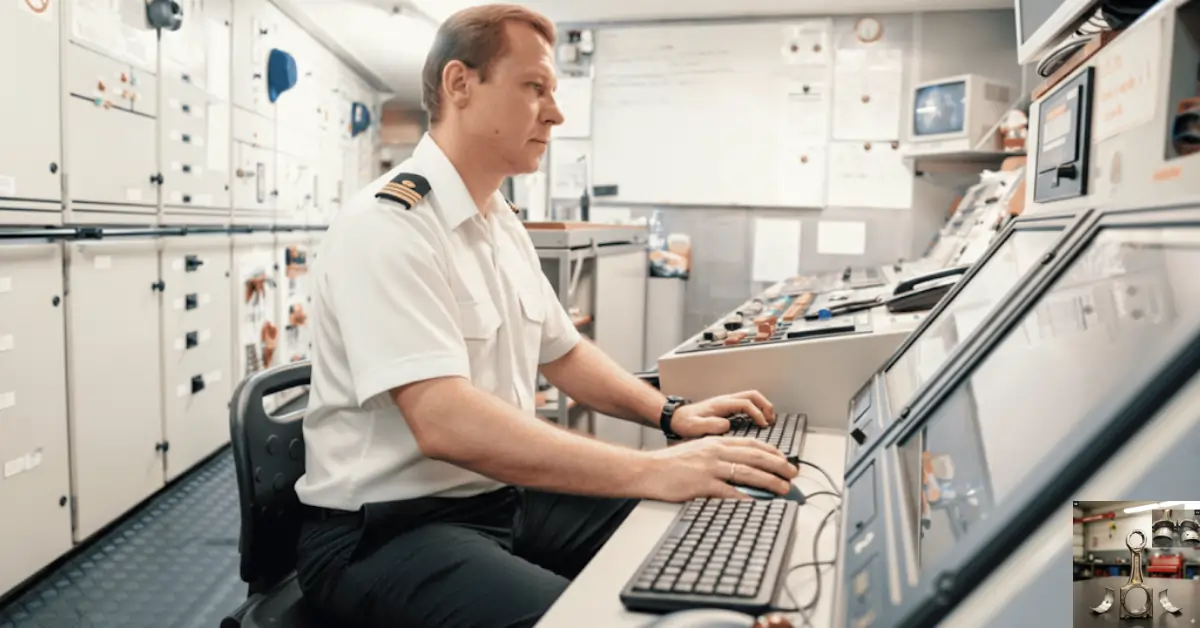
By 7:00 AM, the 2nd Engineer steps into the Engine Control Room (ECR). His first responsibility? Checking the engine room logbook. Overnight entries from the previous duty officer may show alarms, unusual vibrations, or abnormal readings.
Then comes the physical morning round—a walk through the engine room:
- monitoring lube oil and cooling water gauges,
- checking fuel pumps,
- inspecting purifiers,
- observing the main engine exhaust colors,
- listening for odd sounds or vibrations.
Many seasoned marine engineers say they can “smell” problems before instruments show them. That instinct is sharpened by years of watchkeeping.
2nd Engineer Watchkeeping Duties
One of the defining responsibilities of a 2nd Engineer is watchkeeping. On a running vessel, he typically keeps the 8–12 day watch and the 8–12 night watch—some of the busiest periods of the day.
8:00 AM – 12:00 PM Day Watch
The morning watch officially begins at 8:00 AM. During this time, the 2nd Engineer is stationed in the engine room, directly responsible for the safe operation of all machinery.
Key tasks include:
- Monitoring main propulsion engine pressure, load, fuel rack, and exhaust temperatures.
- Watching over auxiliary engines that generate electrical power.
- Supervising boiler pressure, fuel heating systems, and cooling water pumps.
- Logging parameters every hour in the engine room logbook.
- Responding instantly to alarms—whether lube oil pressure drops or a purifier trips.
Coordination with the bridge is critical during these hours, especially if the vessel is maneuvering near port. The 2nd Engineer ensures engines respond instantly to telegraph orders.
12:00 PM – Lunch and a Quick Break
By noon, the watch ends and the next duty engineer takes over. The 2nd Engineer heads to the mess room for lunch. This short break is often the only time he gets to sit and relax during the first half of the day.
Still, there’s little time to linger—afternoon maintenance waits.
Maintenance and Supervisory Role of a 2nd Engineer
1:00 PM – Planned Maintenance Jobs
Afternoons are when the Planned Maintenance System (PMS) takes priority. Using shipboard schedules aligned with manufacturers’ guidelines, the 2nd Engineer supervises major routine jobs. These could include:
- Overhauling generator pistons and cylinder heads.
- Cleaning and balancing fuel oil purifiers.
- Dismantling pumps and replacing seals.
- Inspecting heat exchangers, cleaning plates to restore efficiency.
- Checking lube oil filters and centrifugal separators.
While the Chief Engineer oversees operations at a departmental level, the 2nd Engineer is the one who gets his hands dirty and ensures standards are followed.
Supervising Junior Engineers
The 2nd Engineer also manages the 3rd Engineer, 4th Engineer, and cadets. Jobs are distributed according to rank and experience, but accountability rests with him. He mentors juniors, correcting mistakes and reinforcing safety procedures.
4:00 PM – Finishing Afternoon Jobs
By late afternoon, maintenance tasks are logged and machinery is returned to operational condition. Tools are cleaned, spares recorded, and the maintenance system updated—key for inspection by flag states, vetting inspectors, or classification societies.
The 2nd Engineer ensures “order in machinery”; a sloppy worksite is never tolerated at sea.
6:00 PM – Evening Rounds and System Checks
Before dinner, another set of engine room rounds is carried out. Fuel transfers may be overseen, ballast pumps checked, and standby systems tested. These evening checks prevent surprises during the quieter night hours.
7:00 PM – Dinner with the Crew
Dinner brings the ship’s officers and crew together. It’s the one time each day when camaraderie replaces machinery. Sitting at a multicultural table, stories of home are exchanged, and laughter briefly eases the isolation of being far out at sea.
2nd Engineer Night Watchkeeping Duties
8:00 PM – 12:00 AM Night Watch
The night brings the 2nd Engineer’s second watch of the day—the 8–12 night watch.
Though quieter in atmosphere, the responsibilities are the same. The 2nd Engineer monitors and maintains:
- Main propulsion load during cruising.
- Generator and purifier operations.
- Air compressors and starting air bottles.
- Boiler firing and fuel oil systems.
This is also when sudden alarms are most challenging to deal with—working against fatigue and with minimal backup. A purifier vibration trip at 10:00 PM could mean rushing with motormen to strip open equipment long into the night.
Night watch tests the resilience of a marine engineer more than any classroom or simulator ever can.
12:00 AM – Midnight Handover
The 2nd Engineer hands over to the next duty officer at midnight. A clear handover is essential: all anomalies, repairs, or pending tasks must be passed on to avoid dangerous surprises.
After the handover, exhausted but satisfied, the 2nd Engineer returns to his cabin—until 6:30 AM comes around again and the cycle begins anew.
The Human Side of Being a 2nd Engineer
While much of the day involves machinery, there’s also the personal side of life on board.
- Recreation: Card games, movies in the common lounge, gym sessions.
- Communication: Sending emails or making satellite calls to family back home.
- Camaraderie: Friendships forged in isolation, across cultures and nationalities.
Despite limited comforts, the sense of brotherhood among seafarers is unique. These bonds often become lifelong connections.
Challenges Faced by a 2nd Engineer at Sea
Life as a 2nd Engineer is demanding, with real challenges:
- Long separations from family – contracts can last 4–9 months.
- Extreme working conditions – heat, noise, constant vigilance.
- Unpredictable breakdowns – emergencies can strike anytime.
- Mental stress and fatigue – watchkeeping shifts disrupt sleep cycles.
- High accountability – every mistake can have safety, financial, or environmental consequences.
Rewards and Satisfaction of the Job
Despite the hardships, being a 2nd Engineer is deeply rewarding:
- The pride of keeping a massive ship sailing safely.
- Technical mastery of engines, pumps, and systems.
- Building leadership by mentoring juniors.
- Earning valuable seafaring experience that leads to promotion as Chief Engineer.
- The satisfaction of contributing directly to global trade and shipping.
Conclusion: Why the 2nd Engineer’s Role Matters
A day in the life of a 2nd Marine Engineer is a story of discipline, resilience, and constant vigilance. From 6:30 AM wake-ups to midnight watch endings, he balances routine maintenance, supervising juniors, and urgent troubleshooting, while also handling watchkeeping duties that directly safeguard the vessel.
The life of a marine engineer is not easy, but it is meaningful. A ship may look strong from the outside, but it is the watchful eye and steady hands of engineers—especially the 2nd Engineer—that keep it moving across oceans.
Every day at sea is a test, but also a testament to skill, teamwork, and seafaring spirit.
Frequently Asked Questions about a 2nd Marine Engineer
What is the salary of a 2nd Marine Engineer?
The salary of a 2nd Marine Engineer varies depending on the type of vessel, company, and experience. On average, salaries range between USD 6,000 to 9,500 per month. Tanker ships usually offer higher pay compared to bulk carriers or container ships.
What is the career path after 2nd Engineer?
The next step after serving as a 2nd Marine Engineer is promotion to Chief Engineer, the head of the engine department. To achieve this, a 2nd Engineer must complete the required sea-time, undergo management-level training, and clear competency exams set by maritime authorities.
What are the main duties of a 2nd Engineer?
A 2nd Engineer is responsible for the operation, maintenance, and troubleshooting of propulsion machinery, auxiliary engines, boilers, pumps, purifiers, and other mechanical systems. He also supervises junior engineers and handles watchkeeping responsibilities during assigned shifts.
What qualifications are required to become a 2nd Engineer?
To become a 2nd Engineer, one must first qualify as a marine engineer officer, gain experience onboard as a 4th and 3rd Engineer, and then pass the 2nd Engineer Certificate of Competency (CoC) exam issued by the flag state or maritime authority.
What is the lifestyle of a 2nd Engineer at sea?
Life at sea for a 2nd Engineer is highly disciplined. The day includes morning rounds, engine room maintenance, and watchkeeping duties. While the work is tough, evenings often allow for camaraderie with the crew, recreation, and occasional rest before the next day begins.
