
Imagine a world where Marine Engineer Skills are paramount, where global trade grinds to a halt, where vital supplies can’t reach their destinations, and where the very pulse of international commerce falters. This isn’t a dystopian fantasy; it’s a reality that would quickly unfold without the unsung heroes of the maritime industry: marine engineers. These professionals are the lifeblood of every vessel, from colossal cargo ships to agile research vessels, ensuring their intricate machinery hums with precision across the world’s oceans.
Marine engineering is more than just a job; it’s a calling that demands a unique blend of technical mastery, hands-on ingenuity, and unwavering resilience. It’s a field where every day presents a new challenge, a new system to optimize, or a new problem to solve, often in the most demanding environments imaginable. To truly thrive in this dynamic profession, aspiring and seasoned marine engineers alike must cultivate a diverse array of skills that extend far beyond the blueprints and schematics.
In this comprehensive guide, we delve into the 15 indispensable skills that form the bedrock of a successful marine engineering career. We’ll explore not just what these skills are, but why they are crucial, illustrating their importance with real-world insights and practical applications. Whether you’re charting your course towards a career at sea or seeking to enhance your existing expertise, mastering these skills will empower you to navigate the complexities of the maritime world with confidence and competence.
Essential Marine Engineer Skills at a Glance
| Skill Area | Why Important | Quick Example |
|---|---|---|
| Engine Systems | Diagnose issues | Main engine diagnosis |
| Power Generation | Prevent outages | Load management |
| Fluid Mechanics | System efficiency | Hydraulic troubleshooting |
| Ship Design | Safe installations | Balance check |
| Instrumentation | Fault finding | Alarm system response |
| Maintenance/Repair | Minimize downtime | Rapid overhaul |
| Welding/Fabrication | Emergency fixes | Pipe patching |
| Safety Awareness | Crew protection | Protocol enforcement |
| Adaptability | Handle change | New system installation |
| Problem Solving | Minimize risk | Multi-system issue hunt |
| Decision Making | Crisis command | Fire emergency actions |
| Communication | Crew success | Hand-over briefing |
| Leadership | Team results | Emergency crew direction |
| Continuous Learning | Stay current | Latest IMO updates |
| Math/Analysis | Efficiency | Fuel optimization |
Essential Knowledge for Marine Engineers

The Engine Room of Expertise: Core Technical Skills
Marine Engineer Skills Map: 15 Key Abilities for Career Success
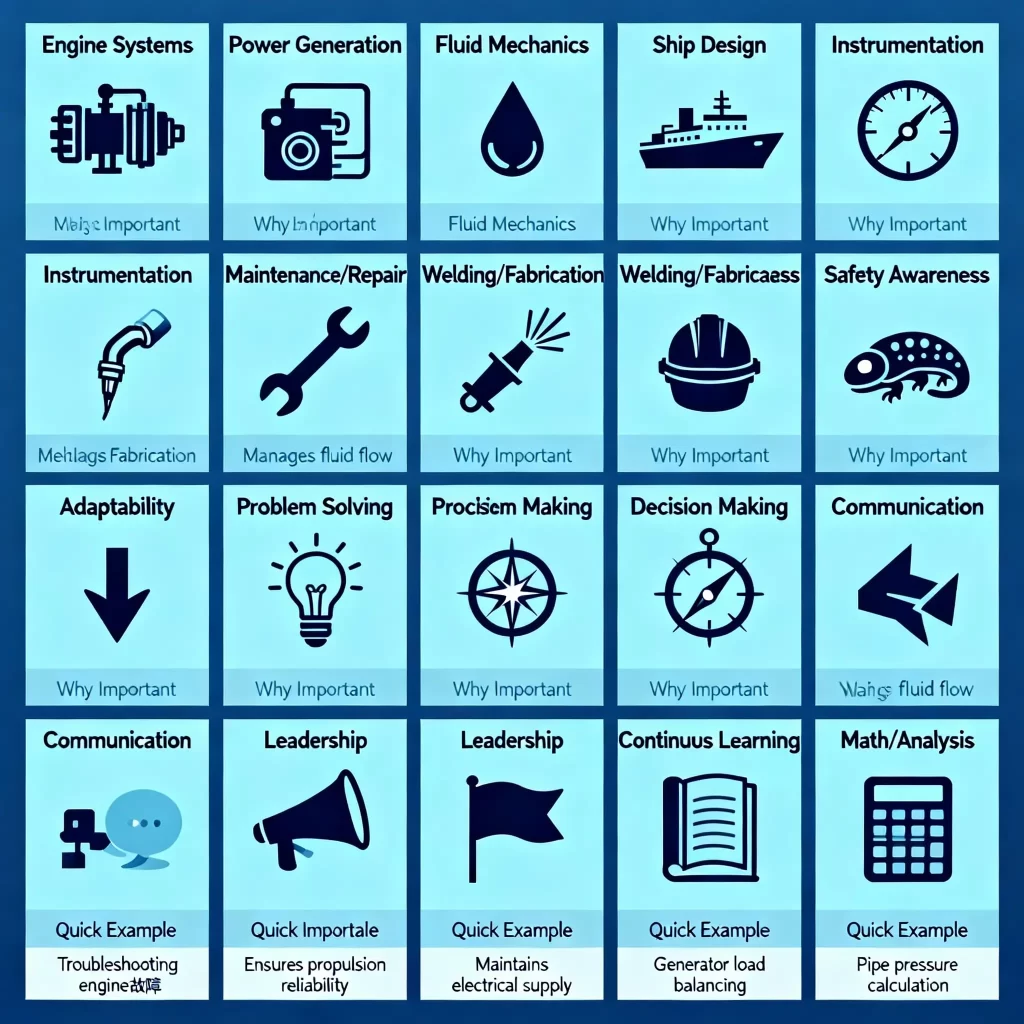
At the heart of every marine engineer’s capability lies a robust understanding of the complex machinery that propels and sustains a vessel. These technical skills are not merely theoretical knowledge; they are the practical foundation upon which operational excellence and safety are built.
Marine Engineer Skills
1. Marine Engine Systems Expertise: The Pulse of the Vessel
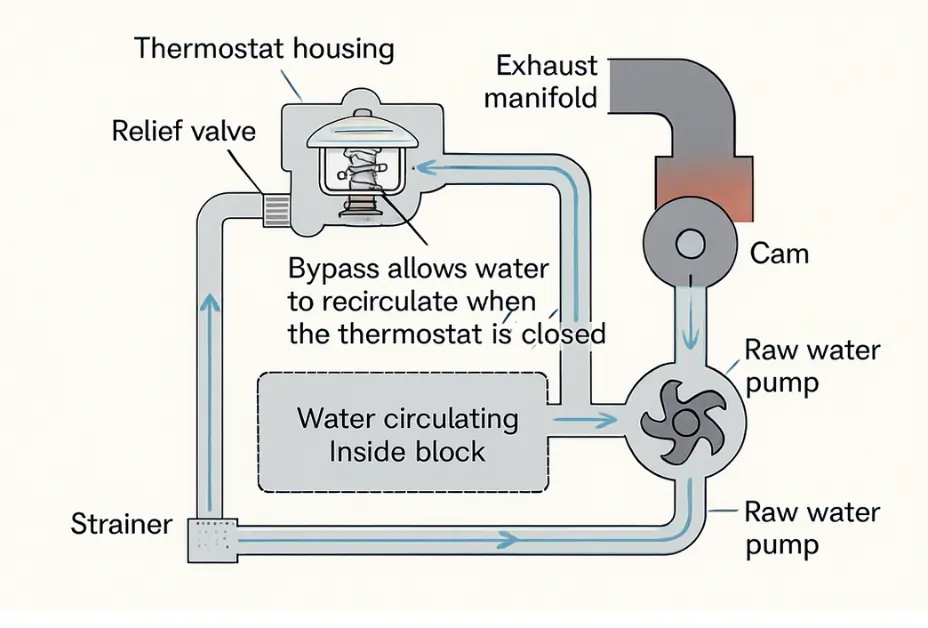
Imagine being hundreds of miles from the nearest port, and the ship’s main engine, a colossal powerhouse responsible for moving thousands of tons of cargo, begins to falter. This is where a marine engineer’s deep understanding of marine engine systems becomes paramount. It’s not enough to simply know the names of components; you must comprehend their intricate interplay, from the combustion cycles of a two-stroke diesel engine to the sophisticated control mechanisms of a gas turbine.
This expertise allows you to swiftly diagnose anomalies, anticipate potential failures, and execute precise repairs, ensuring the vessel’s uninterrupted journey. For instance, a skilled engineer can differentiate between a minor fuel pump issue and a critical cylinder problem based on subtle changes in engine sound or performance data, preventing a costly breakdown at sea.
2. Power Generation Knowledge: Keeping the Lights On (and Everything Else)
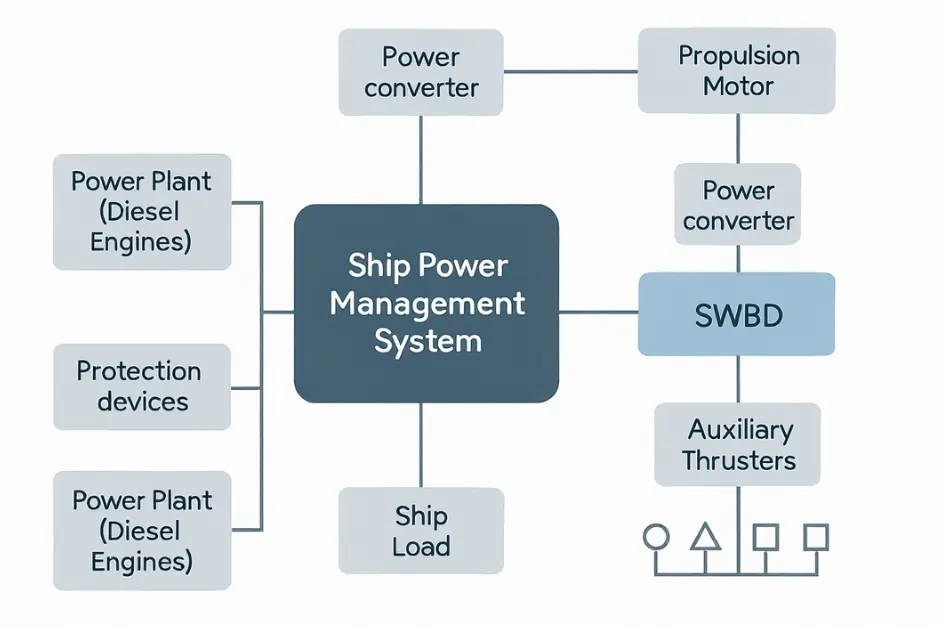
A ship is a self-contained city at sea, and like any city, it requires a constant, reliable power supply. Marine engineers are the custodians of this vital infrastructure. Their knowledge of power generation extends beyond the main propulsion system to auxiliary machinery like generators, boilers, and cooling systems. They understand how to optimize power distribution, manage load fluctuations, and troubleshoot electrical faults to maintain operational efficiency and safety. Consider a scenario where a sudden surge in power demand threatens to overload the ship’s electrical grid. An adept marine engineer, armed with comprehensive power generation knowledge, can quickly reconfigure the system, bring additional generators online, or shed non-essential loads to prevent a blackout and ensure critical systems remain operational.
3. Fluid Mechanics Proficiency: The Flow of Efficiency
From fuel lines to hydraulic steering systems, fluids are the silent workhorses of a ship. A marine engineer with a strong grasp of fluid mechanics understands the principles governing fluid flow, pressure dynamics, and thermodynamics. This knowledge is crucial for designing, maintaining, and optimizing various ship systems. For example, when dealing with a sluggish hydraulic system, an engineer proficient in fluid mechanics can pinpoint whether the issue stems from a clogged filter, a pressure drop due to a faulty valve, or an incorrect fluid viscosity, leading to a precise and effective solution that restores optimal performance.
4. Ship Design Familiarity: Engineering in Context
While naval architects design the ship’s hull and structure, marine engineers must possess a fundamental understanding of ship layout and design considerations. This familiarity is particularly important in understanding how the placement of engine rooms, fuel tanks, and other machinery impacts the vessel’s stability, trim, and overall performance. This collaborative skill ensures seamless integration of engineering systems within the ship’s architectural framework. When a new piece of equipment needs to be installed, an engineer with ship design familiarity can assess its impact on the vessel’s balance and structural integrity, working effectively with other professionals to ensure a safe and efficient installation.
5. Instrumentation and Control Systems: The Ship’s Nervous System
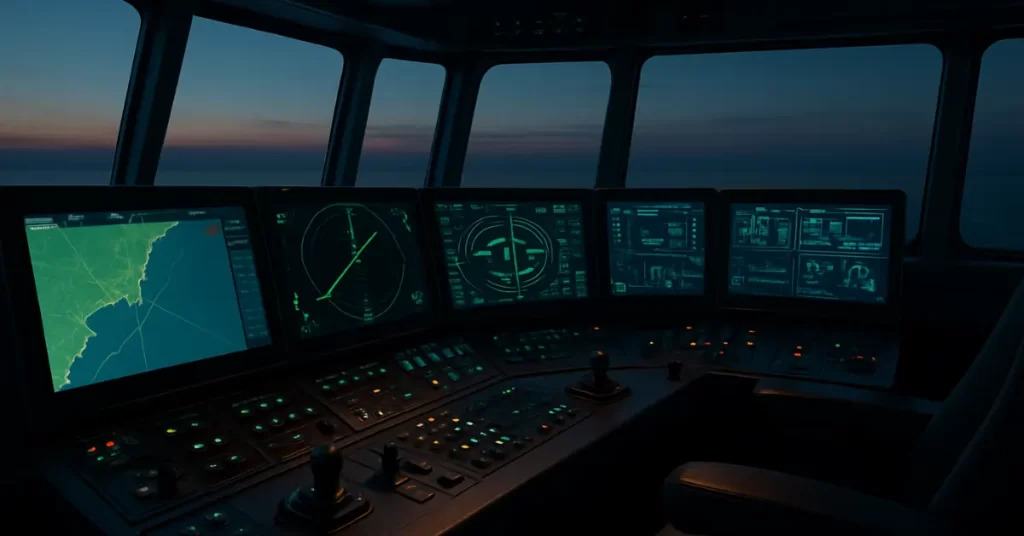
Modern vessels are equipped with sophisticated networks of sensors, actuators, and control systems that monitor and manage every aspect of their operation. A marine engineer must be adept at understanding and interacting with these advanced instrumentation and control systems. This includes interpreting data from various gauges, alarms, and digital displays, as well as programming and troubleshooting automated processes. Imagine a scenario where a critical alarm sounds, indicating an abnormal temperature in a cooling system. An engineer proficient in control systems can quickly access the system’s interface, analyze the sensor data, identify the specific component causing the anomaly, and initiate corrective actions, often remotely, to prevent further escalation and potential damage.
Hands-On Mastery: Essential Practical Skills
Beyond theoretical knowledge, a marine engineer’s true value often lies in their ability to get their hands dirty, to diagnose and fix problems with precision and efficiency. These practical skills are the bedrock of operational readiness and the key to minimizing downtime at sea.
6. Maintenance and Repair Abilities: The Art of Restoration

At the core of a marine engineer’s daily life is the relentless pursuit of operational perfection through meticulous maintenance and swift repair. This isn’t just about tightening a bolt; it’s about the intricate dance of fault diagnosis, the methodical disassembly of complex machinery, the precise repair of worn components, and the careful reassembly to factory specifications. Consider a main engine fuel pump that’s showing signs of wear.
A skilled engineer won’t just replace it; they’ll diagnose the root cause of the wear, perhaps a contaminated fuel supply, and then meticulously overhaul or replace the pump, ensuring every seal and bearing is perfectly seated. This hands-on capability is crucial for minimizing costly downtime and ensuring the vessel’s unwavering reliability, often in challenging conditions where external support is days or weeks away.
7. Welding and Fabrication Skills: On-the-Spot Solutions

While major structural repairs are typically handled in dry dock, the ability to perform basic welding and fabrication can be an invaluable asset for a marine engineer at sea. These skills empower them to make minor, yet critical, repairs and modifications on board, preventing small issues from escalating into major problems. Imagine a cracked pipe in a non-critical system or a broken bracket in the engine room.
An engineer with basic welding proficiency can quickly patch the pipe or fabricate a temporary bracket, saving precious time and resources that would otherwise be spent waiting for specialized assistance or diverting the vessel. This self-sufficiency is a hallmark of a truly resourceful marine engineer, capable of improvising and adapting to unforeseen challenges.
Beyond the Wrench: Indispensable Soft Skills
While technical prowess is non-negotiable, the most successful marine engineers are those who possess a robust set of soft skills. These are the human elements that enable effective teamwork, sound judgment, and resilient leadership, especially when navigating the unpredictable waters of life at sea.
8. Problem-Solving Skills: The Detective of the Engine Room
Marine engineers are, in essence, highly specialized detectives. They constantly face complex technical issues, often under immense pressure and with limited resources. The ability to analyze a problem, meticulously identify its root cause, and implement effective, lasting solutions is paramount. Consider a sudden drop in engine RPMs. A skilled problem-solver won’t just adjust the throttle; they’ll systematically investigate fuel quality, filter integrity, injector performance, and air intake, using their analytical mind to pinpoint the exact culprit. This systematic approach to troubleshooting minimizes downtime and prevents recurrence, ensuring the vessel’s continued operation.
9. Decision-Making Abilities: Captain of the Crisis
In the confined and often high-stakes environment of a ship, marine engineers are frequently called upon to make critical decisions that can directly impact the safety of the crew, the vessel, and its cargo. Strong decision-making skills, especially in emergencies, are not just about choosing the right path, but about doing so swiftly and confidently, often with incomplete information. Imagine a fire breaking out in the engine room. An engineer with well-honed decision-making abilities will not hesitate; they will immediately assess the situation, activate emergency protocols, direct the crew, and make calculated choices to contain the blaze and protect lives and assets, demonstrating leadership under fire.
10. Communication Skills: Bridging the Gap
Effective communication is the invisible lubricant that ensures smooth operations on board. Marine engineers must clearly and concisely convey complex technical information to a diverse audience, including fellow crew members, superiors, and shoreside personnel. Whether it’s explaining a nuanced technical issue to a non-technical captain, coordinating a complex repair with a remote support team, or providing a detailed handover to the next watch, clear communication prevents misunderstandings, fosters collaboration, and ensures everyone is aligned. A well-communicated plan for a critical repair can save hours, even days, of work and significantly reduce risks.
11. Leadership Qualities: Guiding the Team Through the Storm
Marine engineers often lead teams, whether it’s a small group performing routine maintenance or a larger crew responding to an emergency. The ability to motivate, inspire, and guide others, especially in demanding and stressful situations, is a hallmark of a truly effective marine engineer. They delegate tasks efficiently, provide clear instructions, and foster a sense of shared responsibility and camaraderie. A strong leader can transform a group of individuals into a cohesive unit, capable of overcoming any challenge the sea throws their way, ensuring that the engine room operates as a well-oiled machine, driven by collective purpose.
The Unseen Pillars: Other Crucial Aspects of a Marine Engineer’s Success
Beyond the tangible technical and practical skills, and the vital soft skills, there are several overarching qualities that define a truly exceptional marine engineer. These are the less obvious, yet equally critical, attributes that enable sustained success and resilience in a demanding profession.
12. Safety Awareness: The Non-Negotiable Imperative
In an environment where powerful machinery, high-pressure systems, and volatile fuels are commonplace, an unwavering commitment to safety is not merely a skill; it is a fundamental principle. Marine engineers must possess a deep understanding of maritime safety regulations, international conventions, and vessel-specific procedures. This includes everything from proper lockout/tagout protocols during maintenance to emergency response plans for fires or floods.
A marine engineer with acute safety awareness doesn’t just follow rules; they embody a proactive safety culture, constantly identifying potential hazards, implementing preventative measures, and ensuring that every action taken in the engine room prioritizes the well-being of the crew and the integrity of the vessel. Their vigilance is the first line of defense against accidents and ensures compliance with the stringent standards of the maritime industry.
13. Adaptability: Navigating the Unpredictable
Life at sea is a masterclass in unpredictability. From sudden changes in weather and unexpected equipment failures to long periods away from home and diverse cultural working environments, marine engineers must be inherently adaptable. This skill isn’t just about coping with change; it’s about thriving amidst it. An adaptable engineer can quickly pivot their plans when a critical spare part isn’t available, devise ingenious temporary solutions, or seamlessly integrate into a new team with different working styles. Their ability to remain productive, maintain morale, and find solutions in dynamic and often challenging circumstances is crucial for the continuous operation of the vessel and the well-being of the crew.
14. Commitment to Continuous Learning: Staying Ahead of the Curve
The maritime industry is in a constant state of evolution, driven by technological advancements, stricter environmental regulations, and evolving operational demands. For a marine engineer, a commitment to continuous learning is not an option but a necessity. This means actively staying updated on the latest engine technologies, embracing new automation systems, understanding emerging fuel types, and adapting to revised safety protocols.
Whether it’s through professional development courses, industry seminars, or self-study, the successful marine engineer is a lifelong learner, constantly expanding their knowledge base to remain competent, competitive, and at the forefront of their profession. This dedication ensures they can effectively manage the ships of today and are prepared for the innovations of tomorrow.
15. Mathematical and Analytical Proficiency: The Language of Engineering
At its core, marine engineering is a discipline rooted in physics, chemistry, and mathematics. A strong foundation in mathematical principles and analytical thinking is indispensable for a marine engineer. This proficiency is applied daily, from calculating fuel consumption and optimizing engine performance to analyzing vibration data for predictive maintenance and troubleshooting complex system anomalies.
It’s the ability to translate raw data into actionable insights, to model potential scenarios, and to make data-driven decisions that ensure the vessel operates at peak efficiency and safety. This analytical rigor allows them to not only understand how systems work but why they behave in certain ways, enabling them to design solutions and predict outcomes with precision.
Charting Your Course: The Future of Marine Engineering
A career in marine engineering is undoubtedly demanding, but it is equally rewarding, offering a unique blend of intellectual challenge, hands-on problem-solving, and the unparalleled experience of navigating the world’s oceans. The journey to becoming a successful marine engineer is one of continuous growth, requiring not only a mastery of complex technical systems but also the cultivation of crucial practical and interpersonal skills.
By diligently developing these 15 essential skills, you are not just preparing for a job; you are equipping yourself to become a vital contributor to global commerce and a guardian of maritime safety. Whether you are an aspiring engineer just beginning to explore this fascinating field or a seasoned professional seeking to refine your expertise, remember that the maritime world is constantly evolving, and with it, the opportunities for those who are prepared to embrace its challenges.
The ocean is vast, and the horizons for skilled marine engineers are limitless. Embrace the learning, hone your abilities, and set your course for a truly impactful and fulfilling career at sea.
